Which One Is Right for You?
A sharp hunting knife is more than a convenience—it’s a matter of efficiency, safety, and respect for the hunt. Whether you’re field dressing a deer, preparing camp food, or cutting rope in an emergency, the condition of your blade directly affects how smoothly and safely the job gets done.

One of the most common questions hunters ask is simple:
Should I use an electric knife sharpener or a manual one?
The answer depends on how you hunt, how often you sharpen, and how much control you want. In this guide, we’ll break down the real differences between electric and manual knife sharpeners for hunters, using practical examples and honest comparisons so you can choose what actually works in the field and at home.
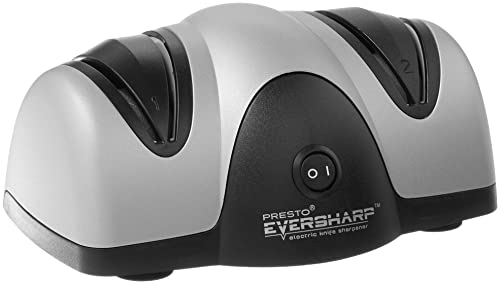
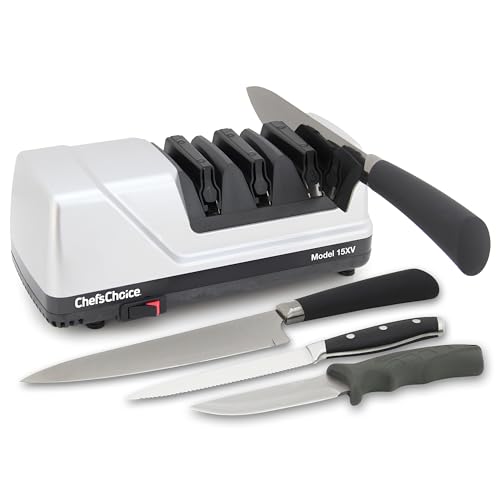
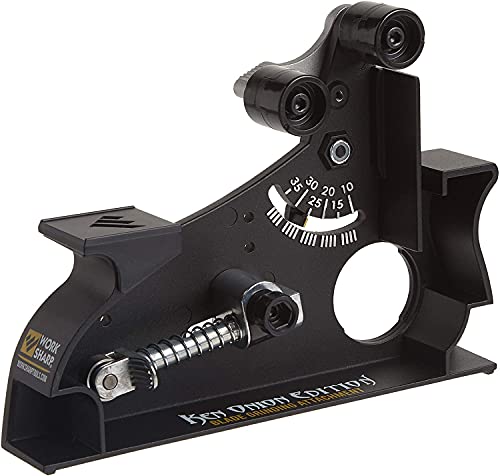
5 Best Electric Knife Sharpener for Hunting Knives


Check out:
Best Electric Knife Sharpener for Hunting Knives: Review One by One each Products
Affiliate Disclosure:
This article may contain affiliate links. If you purchase through them, we may earn a small commission at no extra cost to you. Our recommendations are based on independent research, design analysis, and real user feedback.
Why Sharpening Matters More for Hunters
Hunting knives endure conditions most kitchen knives never face:
-
Contact with bone, hide, and cartilage
-
Dirt, moisture, and blood exposure
-
Cold weather and gloved handling
-
Repeated use far from ideal cleaning conditions
Because of this, hunting knives lose their edge faster and more unevenly. A dull blade requires more force, increasing the risk of slipping and injury. Sharpening isn’t optional—it’s essential.
What Is an Electric Knife Sharpener?
An electric knife sharpener uses powered abrasive wheels or belts to sharpen a blade quickly and consistently. Most models include angle guides, multiple stages, and heat-management features.
Common Types
-
Wheel-based electric sharpeners
-
Belt-driven sharpening systems
-
Water-cooled electric stone systems
Electric sharpeners are typically used at home or in a workshop, not in the field.
What Is a Manual Knife Sharpener?
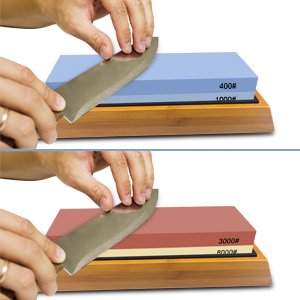
Manual sharpeners rely entirely on hand control and technique. They include:
-
Whetstones
-
Pull-through carbide or ceramic sharpeners
-
Guided rod systems
Manual sharpeners are often lighter, quieter, and more portable, making them popular for camp and field use.
Check out: How Often Should You Sharpen a Hunting Knife?
Electric Knife Sharpeners: Advantages for Hunters
1. Speed and Convenience
Electric sharpeners restore a dull blade in minutes, making them ideal for hunters who maintain multiple knives or sharpen frequently.
2. Consistent Angles
Most electric sharpeners include built-in guides, reducing user error. This consistency is especially helpful for beginners.
3. Minimal Skill Required
You don’t need years of practice to get good results. Follow instructions, apply light pressure, and let the machine do the work.
4. Ideal for Thick Hunting Knives
Belt-driven systems handle heavy, thick, fixed-blade knives far better than many manual options.
5. Multi-Tool Capability
Many electric systems can also sharpen:
-
Axes
-
Machetes
-
Scissors
-
Camp tools
Limitations of Electric Sharpeners
❌ Require electricity
❌ Less portable
❌ Can remove more metal if misused
❌ Higher upfront cost
Electric sharpeners are powerful tools—but they must be used carefully.
Manual Knife Sharpeners: Advantages for Hunters
1. Maximum Control
Manual sharpening gives you full control over angle, pressure, and finish, which experienced hunters often prefer.
2. Portability
Manual sharpeners are easy to pack, making them perfect for:
-
Camps
-
Backcountry hunts
-
Emergency touch-ups
3. No Power Needed
No batteries, cords, or outlets required—just your hands and time.
4. Gentle on Blade Steel
When used correctly, manual sharpening removes less metal, extending the life of premium hunting knives.
5. Quiet and Discreet
Manual sharpeners are silent—ideal for camp settings.
Limitations of Manual Sharpeners
❌ Steeper learning curve
❌ Slower sharpening
❌ Inconsistent results for beginners
❌ More physical effort
Manual sharpening rewards patience and practice.
Electric vs Manual: Side-by-Side Comparison
| Feature | Electric Sharpener | Manual Sharpener |
|---|---|---|
| Speed | Very fast | Slow to moderate |
| Skill Required | Low | Medium to high |
| Portability | Low | High |
| Angle Consistency | High | User-dependent |
| Blade Control | Medium | High |
| Best Location | Home/workshop | Field/camp |
| Cost | Medium–high | Low–medium |
Which Is Better for Different Types of Hunters?
Occasional or Weekend Hunters
An electric sharpener is usually the better choice. It’s quick, reliable, and requires minimal skill.
Serious or Frequent Hunters
Many experienced hunters use both:
-
Electric sharpener at home for full sharpening
-
Manual sharpener in the field for maintenance
Backcountry or Remote Hunters
Manual sharpeners win due to portability and independence from power.
Knife Enthusiasts and Traditionalists
Manual sharpening offers satisfaction, control, and respect for blade craftsmanship.
Safety Considerations for Both Types
Electric Sharpener Safety
-
Use light pressure
-
Avoid prolonged passes
-
Allow the blade to cool
-
Follow manufacturer instructions
Manual Sharpener Safety
-
Maintain a stable surface
-
Keep fingers clear of the edge
-
Work slowly and deliberately
A sharp knife is safer—but only when sharpened correctly.
Can Electric Sharpeners Damage Hunting Knives?
They can—but only if misused.
High-quality electric sharpeners with controlled speed and proper abrasives are safe. Problems usually arise from:
-
Excessive pressure
-
Repeated sharpening when unnecessary
-
Using the wrong angle
Used correctly, electric sharpeners are perfectly suitable for hunting knives.
Can Manual Sharpeners Match Electric Results?
Yes—but not instantly.
With practice, manual sharpening can produce exceptional edges, often superior for fine control tasks. However, consistency takes time to develop.
The Best Approach for Most Hunters
For most people, the smartest option isn’t choosing one over the other—it’s using both.
-
Electric sharpener: Primary sharpening at home
-
Manual sharpener: Touch-ups in the field
This combination offers speed, control, and reliability.
Final Verdict
There is no universally “better” option—only the one that fits your hunting style, experience level, and environment.
Electric sharpeners offer speed, consistency, and ease.
Manual sharpeners provide control, portability, and tradition.
The best hunters understand their tools—and choose the sharpening method that supports how they actually hunt.