A hunting knife is one of the most important tools you carry into the field. Whether you’re field dressing game, skinning, cutting rope, or preparing food at camp, the sharpness of your blade directly affects safety, efficiency, and control.
Yet many hunters ask the same question:
How often should you actually sharpen a hunting knife?
The short answer: more often than most people think—but not as aggressively as many do.
In this guide, we’ll break down exactly when, why, and how often to sharpen a hunting knife, based on real-world hunting use rather than theory.
Check out:
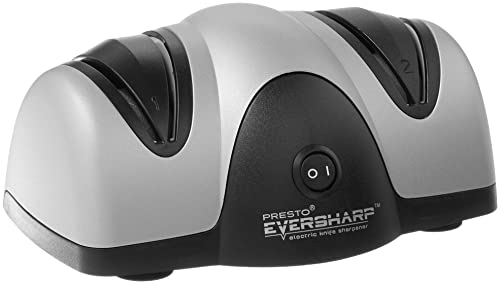
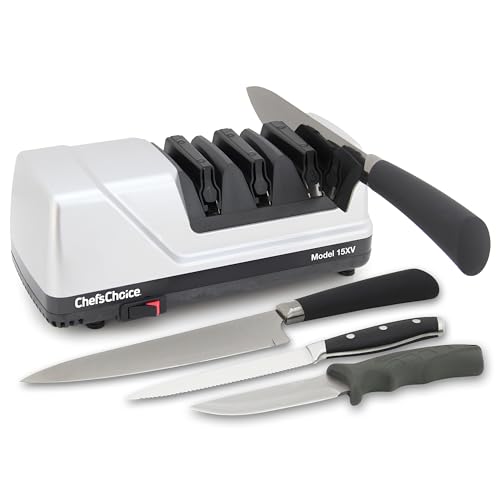
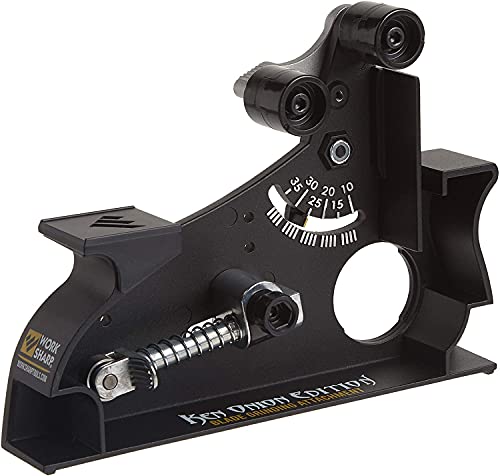
Best Electric Knife Sharpener for Hunting Knives: Review One by One each Products


Affiliate Disclosure:
This article may contain affiliate links. If you purchase through them, we may earn a small commission at no extra cost to you. Our recommendations are based on independent research, product design analysis, and real user feedback.
The Short Answer
For most hunters, the general rule breaks down like this:
- Full sharpening: once per season, minimum — ideally before your first hunt, not after you’ve already noticed it’s dull.
- Touch-ups or honing: during processing, especially if you’re field dressing and butchering more than one animal, or working through a particularly tough hide.
- Regular outdoor/bushcraft use (batoning, cutting rope, general camp tasks): every 2–3 months, since these tasks dull an edge faster than game processing alone.
- Everyday carry/utility folding knives: every 3–4 months, if you’re also using a separate knife for that kind of general task.
The honest answer underneath all of that: it depends less on a calendar and more on how the edge is actually performing, which is exactly why the sections below focus on recognizing when a knife needs attention rather than memorizing a fixed schedule.
Why There’s No Single Fixed Number
A few real variables change how often any specific hunting knife needs sharpening:
Steel type. Harder steels like D2 or premium powder steels hold an edge longer between sharpenings, but take more time and the right abrasive (typically diamond stones) to resharpen when they do dull. Softer, simpler steels dull faster but are quicker and easier to bring back to sharp in the field.
What you’re actually cutting. Field dressing and skinning game is comparatively gentle on an edge compared to tasks like batoning firewood, cutting through joints and bone, or general camp use — cord, packaging, stakes. A knife used for a mix of hunting and camp chores will need attention more often than one reserved strictly for processing game.
Field conditions. Dirt, sand, and grit act as abrasives against the edge, and hide with embedded dirt wears a blade down noticeably faster than clean processing conditions. Cold weather can also make some steels more brittle, which affects how the edge holds up to lateral stress.
How many animals you’re processing in one session. A single deer is very different from working through several animals back to back — the edge degrades progressively, which is why many experienced hunters plan to sharpen or at least strop the blade between animals rather than push through on a dulling edge.
How Often Should You Sharpen Based on Use?
1. After Heavy Hunting Trips
If you field dress large game or process multiple animals, your knife should be lightly sharpened after every trip.
Why?
-
Prevents edge degradation
-
Reduces the need for aggressive sharpening later
-
Keeps the blade predictable and safe
2. Moderate Use (Occasional Hunts)
If you hunt occasionally and use your knife for lighter tasks:
-
Sharpen every 2–3 trips
-
Touch up in between as needed
This keeps the edge consistent without excessive metal removal.
3. Seasonal or Light Use
For hunters who only use their knives a few times per year:
-
Sharpen before the season
-
Light touch-up after the season
This ensures your blade is ready when it matters most.
Signs Your Hunting Knife Needs Sharpening (Better Than Any Fixed Schedule)
Rather than relying purely on a time-based rule, check for these signs, which matter more than the calendar:
- It’s tearing instead of slicing — hide or meat separates raggedly rather than cutting cleanly.
- You’re applying more pressure than you used to for the same cut.
- It won’t shave a bit of arm hair or catch on a fingernail when very lightly dragged across it (the classic quick sharpness test).
- You notice the edge visually catching light unevenly — a sharp edge reflects light as a thin, even line; a dulled one shows a slightly wider, duller reflective band.
- It’s slipping rather than biting when starting a cut, which is also a genuine safety issue, since a slipping blade is more likely to cause an injury than a sharp one that cuts cleanly on contact.
As soon as you notice any of these, that’s the actual signal to sharpen — waiting for a specific day count to pass isn’t as reliable as responding to how the knife is actually cutting.
Sharpening vs. Honing: Know Which One You Actually Need
These two get used interchangeably, but they solve different problems:
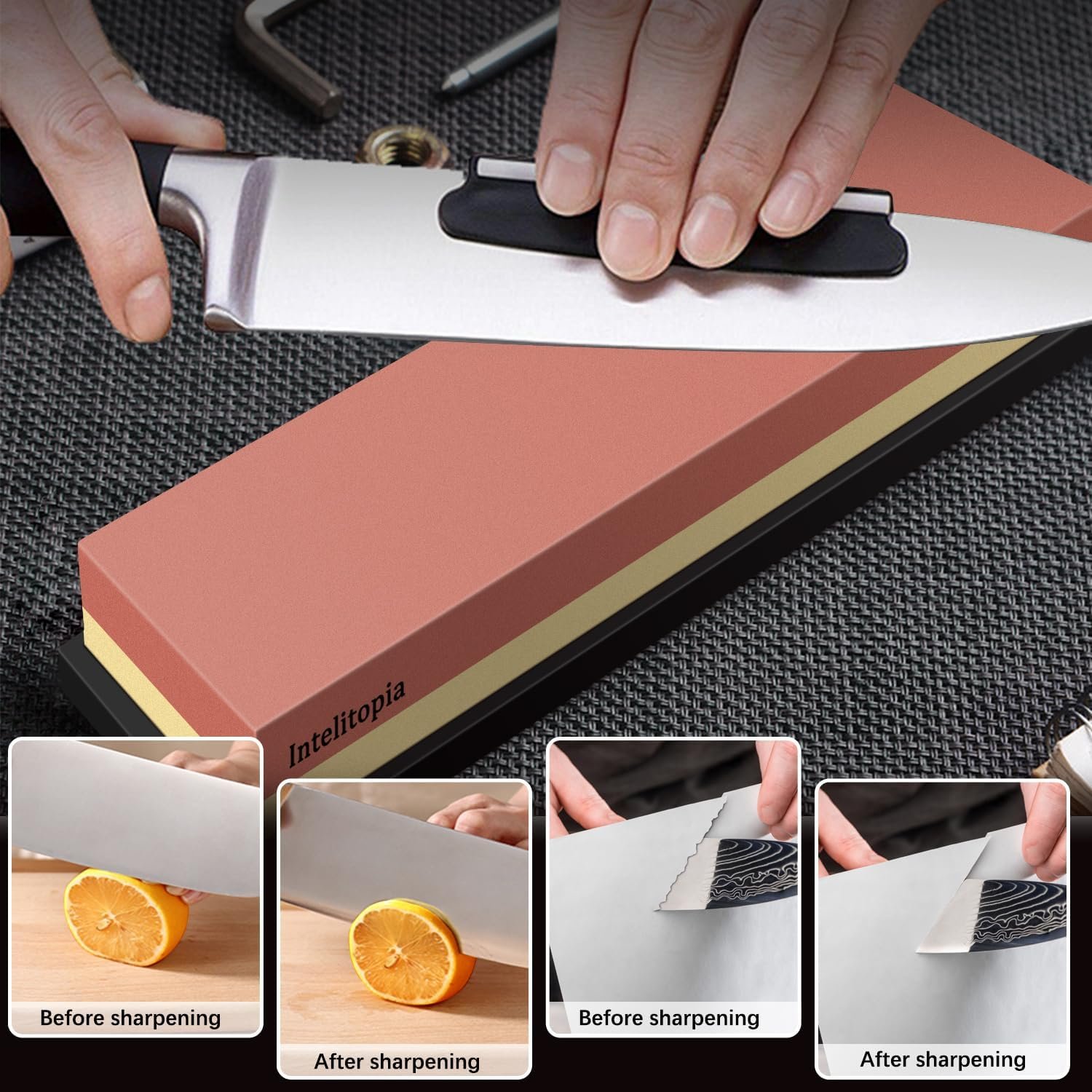
- Honing realigns a rolled or bent edge without removing metal — think of it as straightening the edge back into place. A honing rod or a few passes on a fine ceramic stage (like those found on many pull-through sharpeners) can bring a slightly-dulled edge back to working sharpness in seconds, without the more involved process of a full sharpening session.
- Sharpening actually removes metal to create a new edge, needed when honing alone doesn’t restore performance — typically because the edge has genuinely worn down, not just rolled out of alignment.
A practical field approach many experienced hunters use: hone between cuts or between animals to maintain the edge, and reserve full sharpening for before the season starts or when honing stops being enough to bring the edge back.
A Simple Seasonal Sharpening Routine
If you’d rather have a concrete plan than judge it purely by feel, this is a reasonable structure for most hunters:
- Before the season starts: Do a full sharpen, ideally to a consistent angle (commonly 20 degrees per side for hunting knives) that matches whatever sharpening tool you’ll carry in the field, so you’re not switching angles mid-hunt.
- Pack a compact field sharpener or honing rod for touch-ups during processing — small diamond rods or guided field sharpeners are popular specifically because they maintain the same angle you set at home.
- Hone or touch up between animals during a multi-animal processing session, rather than pushing through on a degrading edge.
- Clean and dry the blade after every use before storing it — blood, fat, and tissue residue left on a blade promotes corrosion, which affects edge quality over time independent of actual dulling from cutting.
- Reassess mid-season if you’re processing more animals than usual, or after particularly tough conditions (frozen hide, heavy dirt exposure) — these can shorten the interval before a full sharpening is needed again.
- End-of-season full sharpen and inspection, so the knife goes into storage in good condition rather than sitting dull until next year.
Frequently Asked Questions
How often should you sharpen a hunting knife during a single hunting trip?
For a single-animal hunt, a knife that was properly sharpened beforehand often doesn’t need more than a quick hone during processing. For multi-day trips or processing multiple animals, plan to hone between animals and do a fuller touch-up if you notice the edge dragging rather than slicing cleanly.
Do harder steel hunting knives need sharpening less often?
Generally yes — harder steels and premium powder steels tend to hold an edge longer under the same use. The trade-off is that when they do need sharpening, they typically require a harder abrasive, like a diamond stone, and more time to bring back to a working edge compared to softer steels.
Is it bad to sharpen a hunting knife too often?
Yes, in the sense that unnecessary full sharpening removes more metal than needed and shortens the knife’s usable lifespan over time. This is exactly why honing (which doesn’t remove metal) is preferable for routine touch-ups, saving full sharpening sessions for when the edge genuinely needs it.
Can I sharpen my hunting knife in the field, or does it need to wait until I’m home?
Field sharpening is common and often necessary, especially on multi-day hunts or when processing more than one animal. Compact diamond rods, small guided sharpeners, or pull-through sharpeners are popular precisely because they’re portable enough to carry in a pack and can maintain a working edge between full sharpening sessions at home.
What angle should I sharpen a hunting knife to?
Around 20 degrees per side is a common standard for hunting knives, balancing a durable edge with good cutting performance. The specific angle matters less than staying consistent — switching angles between sharpening sessions makes the edge harder to maintain cleanly over time.
How do I know if my knife is dull without testing it on meat mid-hunt?
A quick, safe test is lightly dragging the edge across a fingernail at a shallow angle — a sharp blade will catch and grip slightly, while a dull one will slide across smoothly. Some hunters also check whether the edge can shave a small patch of arm hair cleanly, which is a reliable practical indicator of true sharpness.
The Bottom Line
There’s no single universal number that answers “how often should you sharpen a hunting knife” for every hunter, but there is a reliable pattern: sharpen fully before the season starts, hone or touch up during processing rather than waiting for the edge to fully fail, and let how the knife is actually cutting — not a fixed calendar — tell you when it’s time for the next full sharpening. A knife maintained this way stays reliable exactly when you need it most, mid-field, rather than failing you halfway through the job.
Final Verdict
There is no single schedule that works for every hunter.
How often you should sharpen a hunting knife depends on use, environment, steel type, and maintenance habits.
The smartest hunters don’t wait for their knives to fail—they maintain them consistently and sharpen only when needed.
Last update on 2026-05-05 / Affiliate links / Images from Amazon Product Advertising API